¡El Tour
Budget Bicycle Tours in Mexico
www.BikeMexico.com
The Complete Archive · 2000–2020

Day of the Dead Tour 2006
Season 2006–2007 · all tours that season
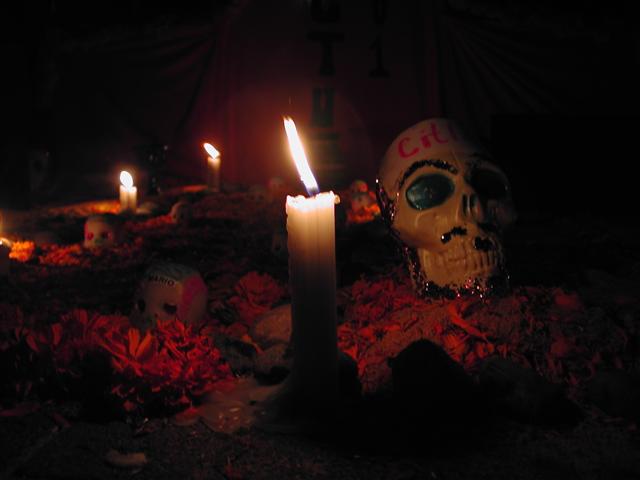
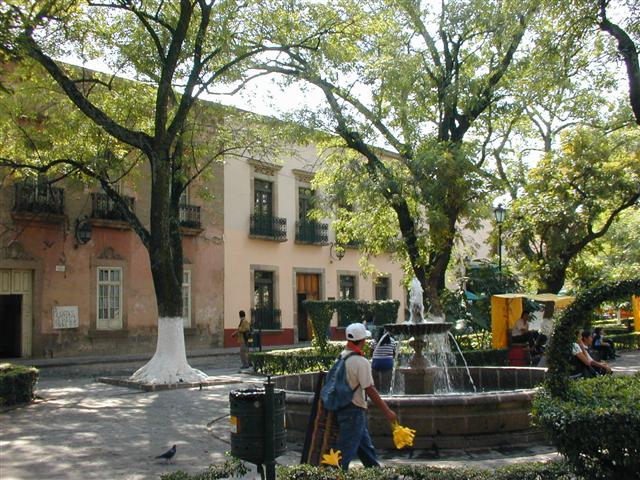
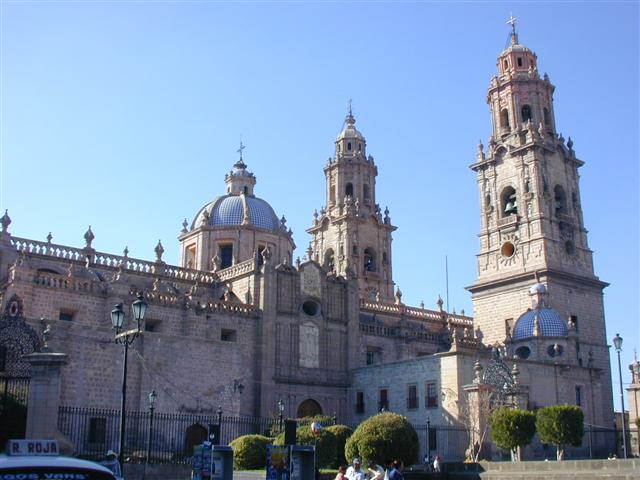
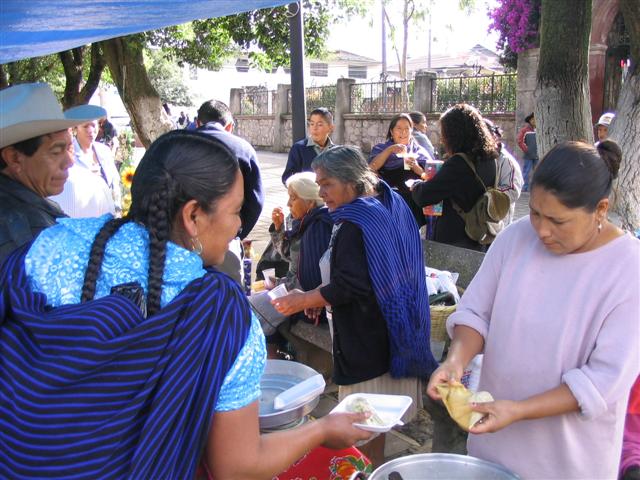
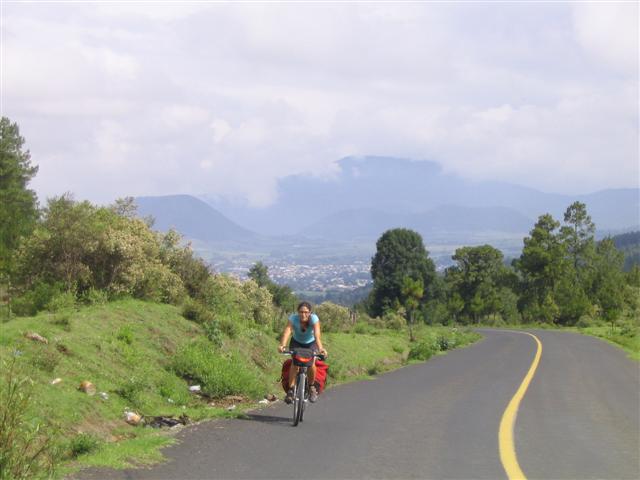
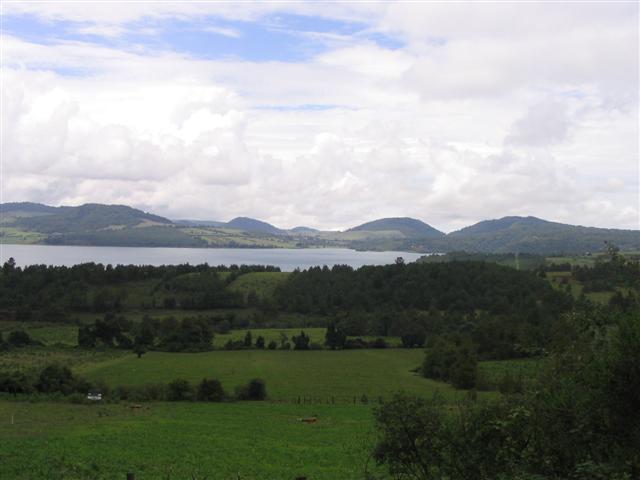
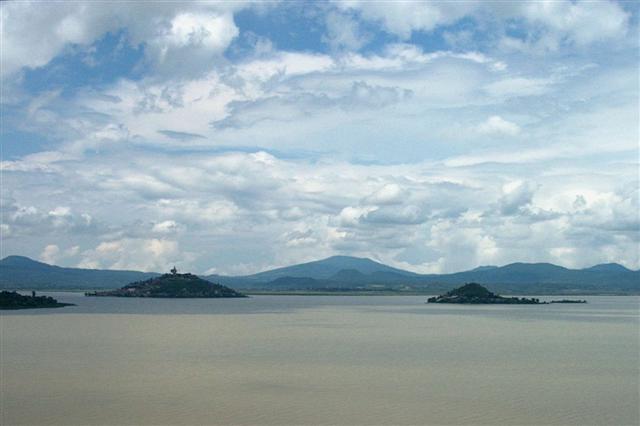
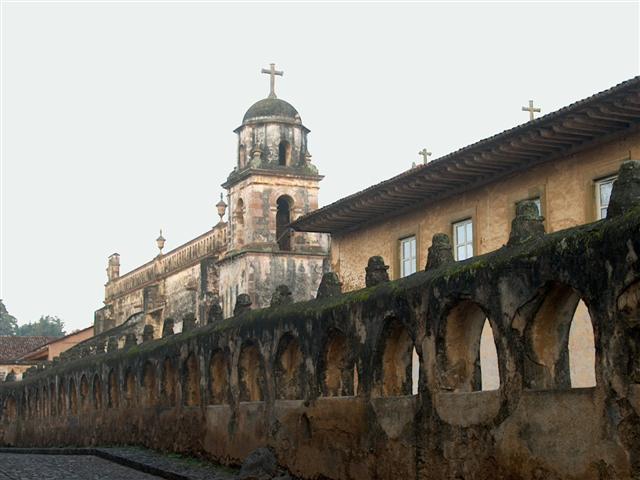
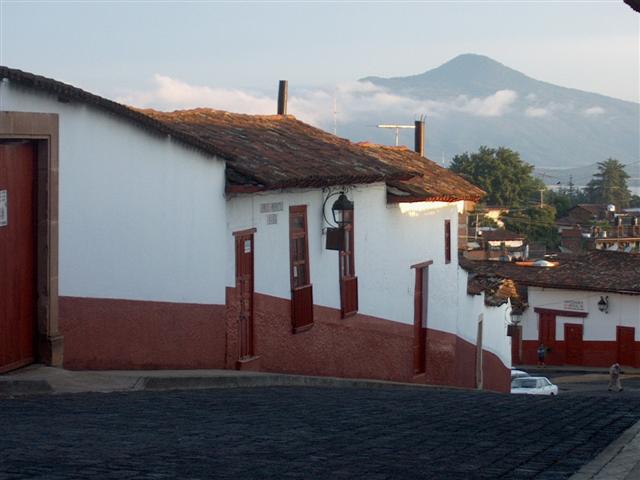
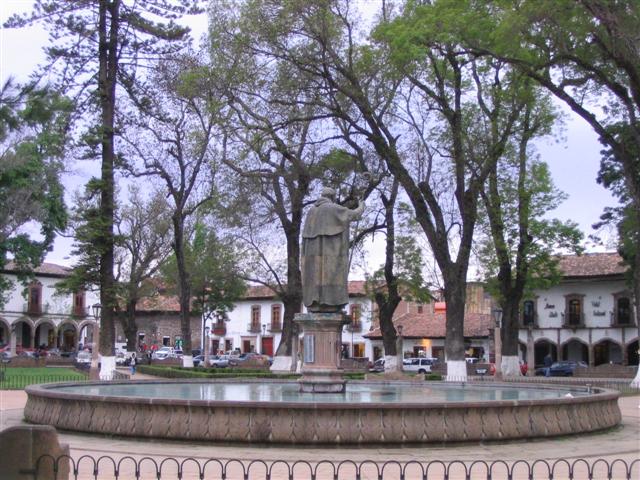
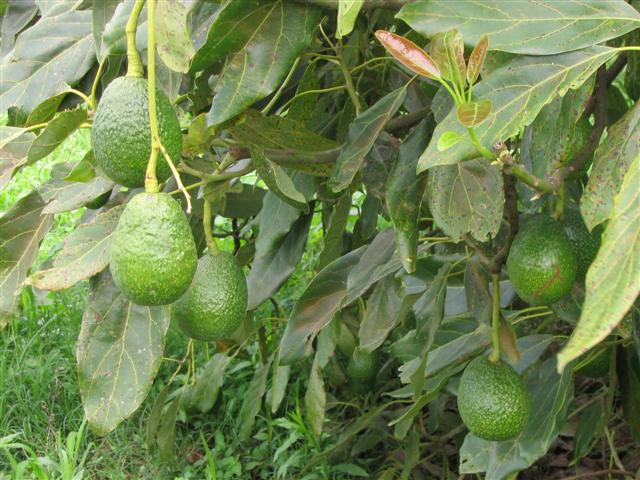
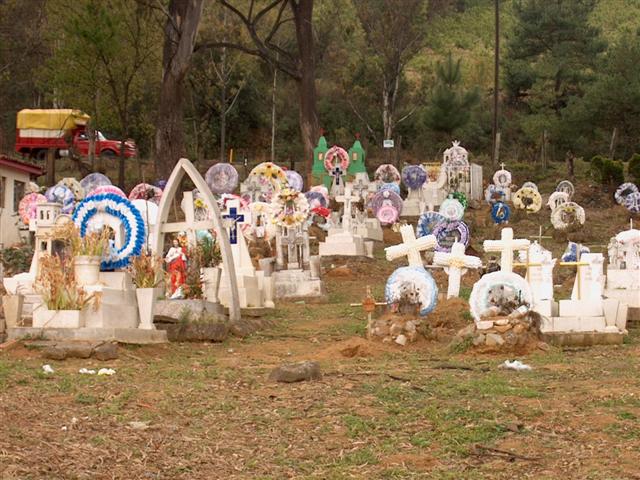
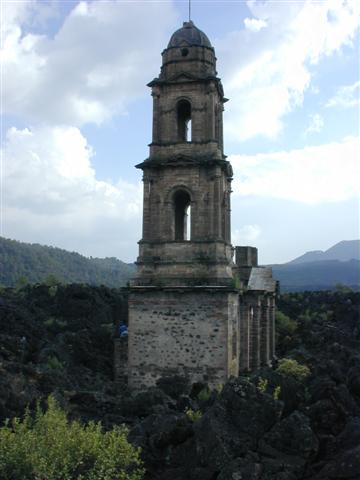
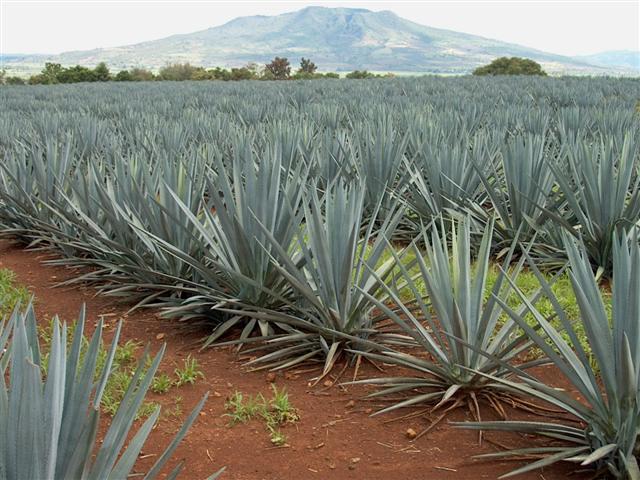
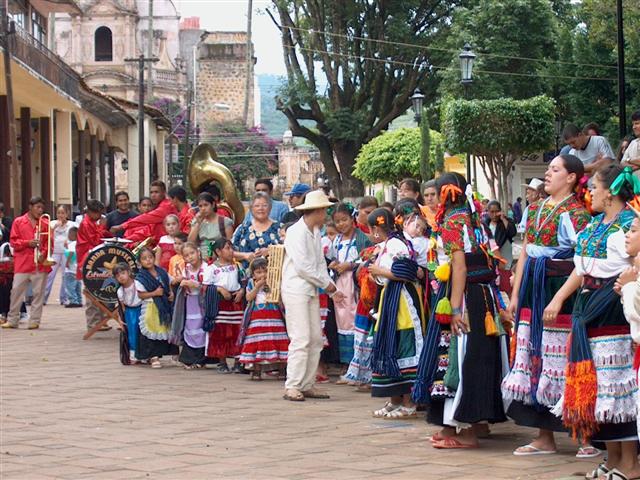
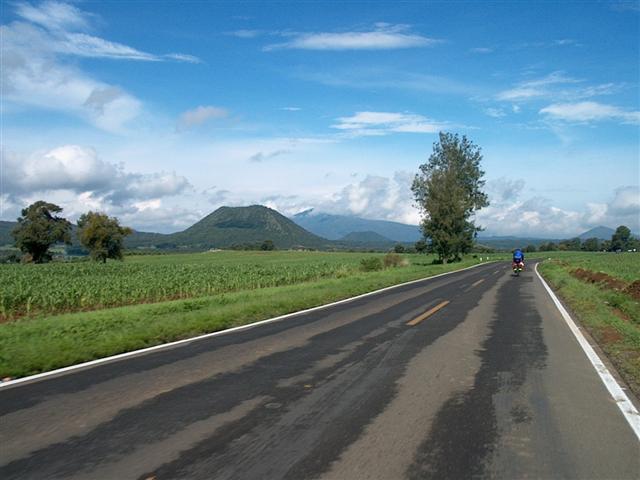
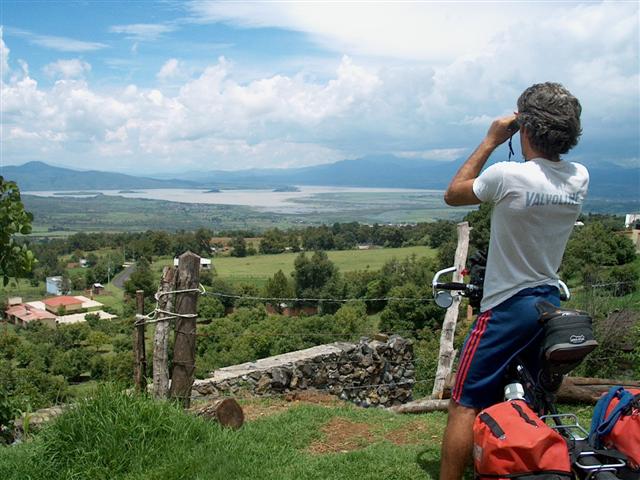
On this REGULAR difficulty tour we cycle around the highlands of Michoacan state during the famous Day of the Dead celebrations. We range in altitude from 1500m to 2500m so the weather is cool. We'll explore colonial cities, indigenous Purepecha towns, the newest volcano in the world, the avocado capital of the world and some spectacular mountain country-side. There are lakes, colourful markets, and interesting history and culture. This is a loop tour starting and ending in Quiroga. We suggest that you fly into Morelia international airport.
Archive note: NEW tour.
| Dates: | Wed Oct 25, 2006 to Wed Nov 8, 2006 (2 weeks - 10 cycling days) |
| Distances: | Average/day: 51km Maximum/day: 69km Total Approx: 505km |
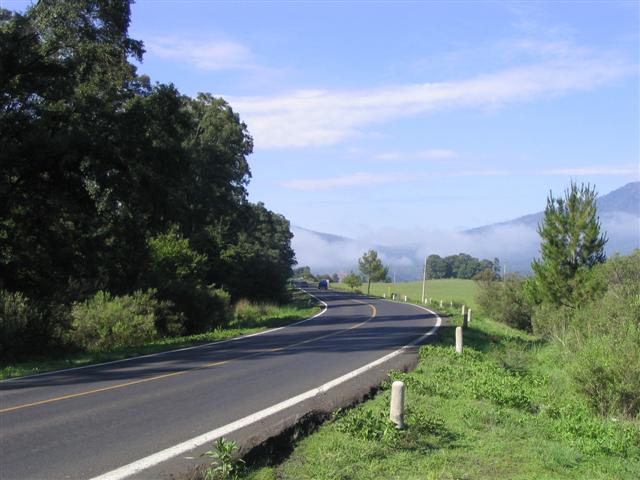
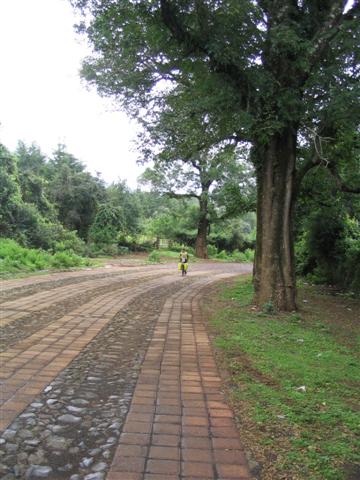
| Route Type: | REGULARRegular DifficultyA good level of fitness is required. Distances average around 50 - 80 km per day (depending on hills), and are always less than 120 km. Roads range from flat to very hilly. We may climb up to 1500 metres on a hard day.WeatherThe Weather: MountainsLate fall and winter in the Mexican mountains is dry and cool. The sun warms things up during the daytime, but expect freezing temperatures overnight. High volcanoes can be snowcapped around this time.Spring is warmer, and in the summer it will often rain in the afternoon. RoadThe Road: MountainsThe road is generally in excellent condition. There are some sections of dirt road, and rough pavement. In the mountainous areas, the road rarely flattens out and occasionally climbs at more than a 10% grade, however in the high plateaus the road can be fairly flat to rolling. Traffic is generally light to non-existent, except of course close to larger towns and cities. The surface is generally wide and the drivers are courteous.LandThe Land: MountainsAltitudes generally range between 1500 and 2500m, however on some tours we may climb up over 4000m. The high volcanoes are snow-capped in the winter. The mountain vegetation varies greatly from humid cloud forests to cool dry pine forests or dry desert shrub. |
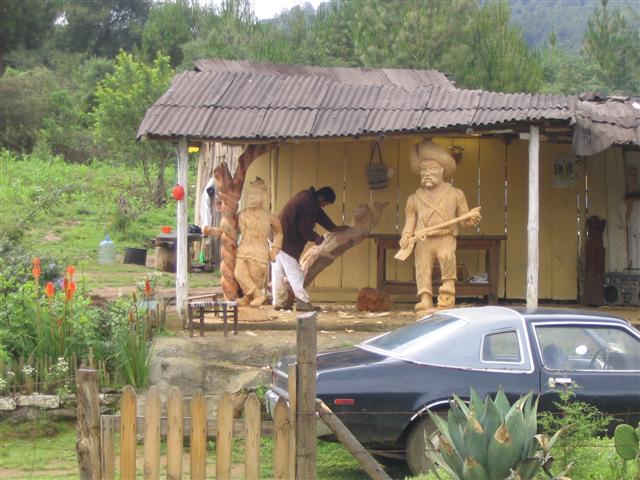
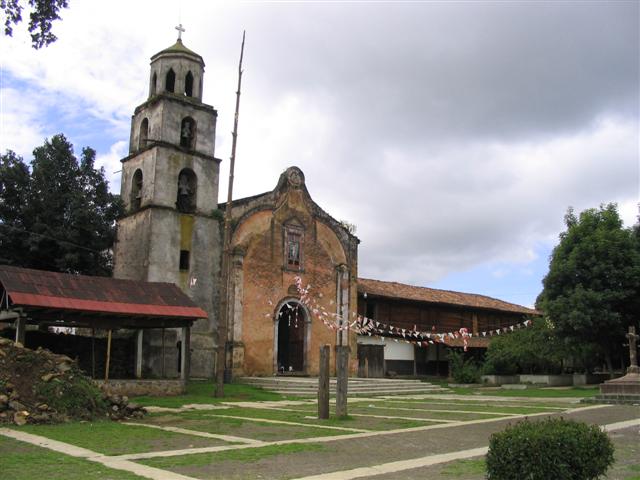
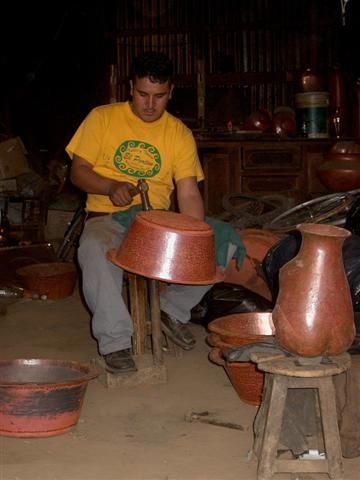
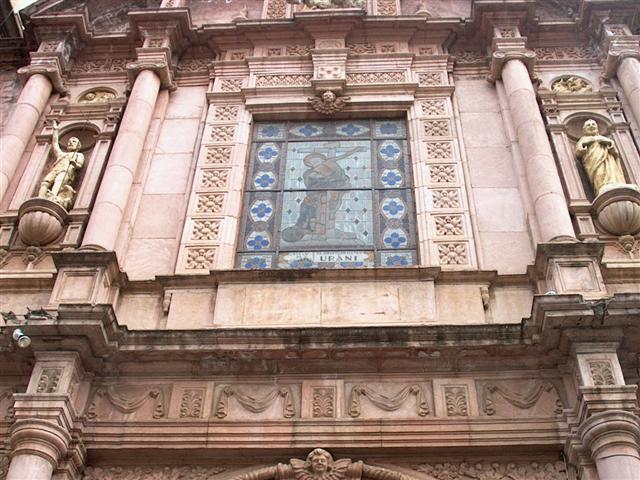
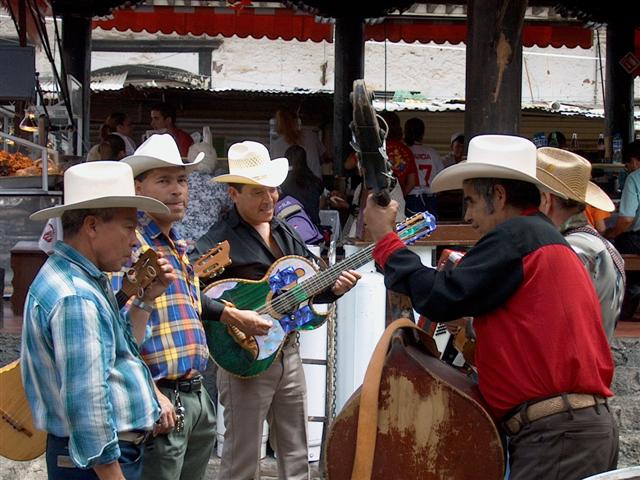
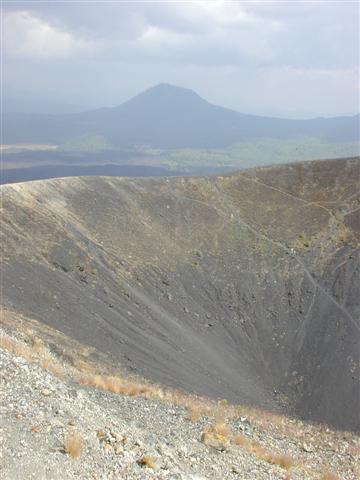
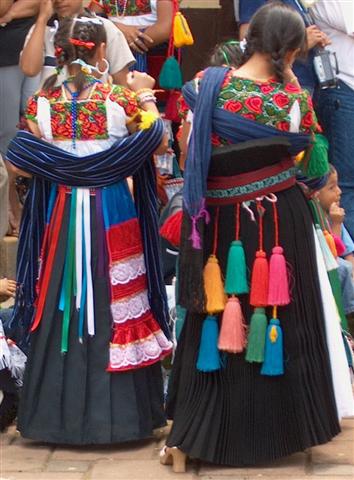
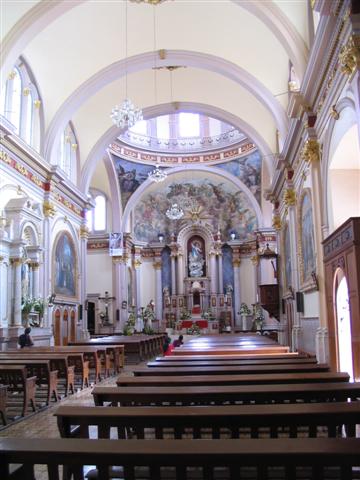
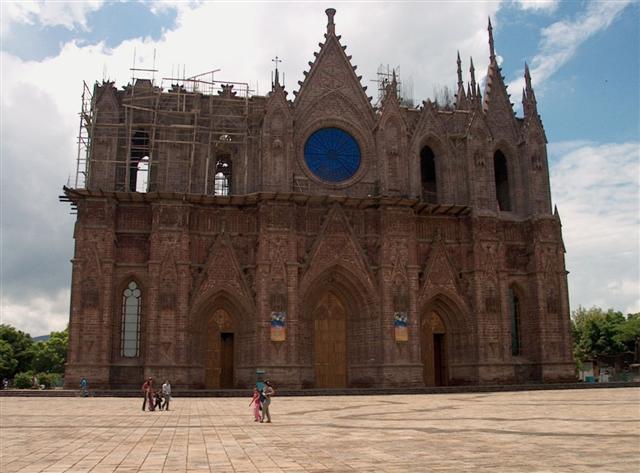
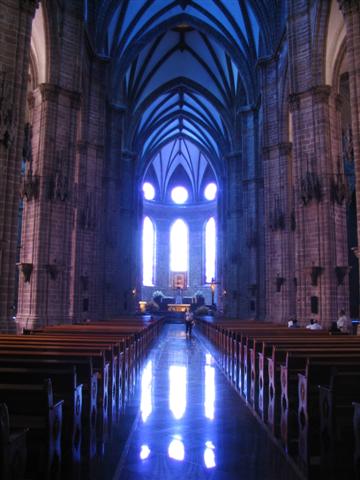
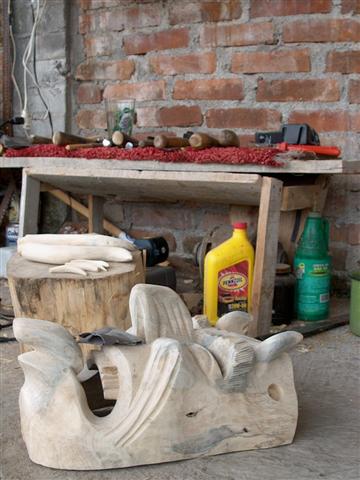
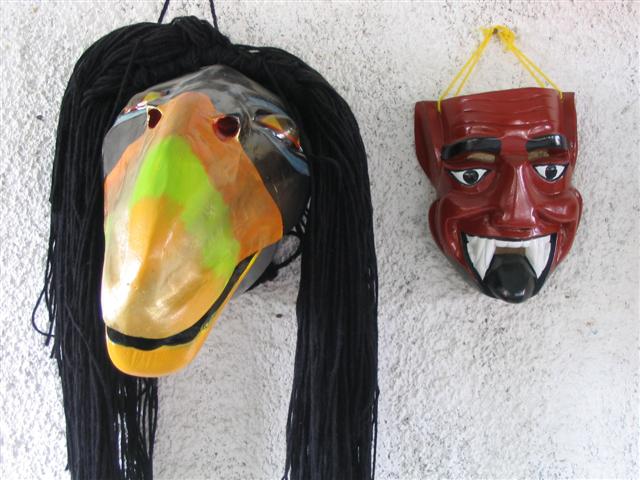
| Highlights: | Spectacular mountain views of Michoacan state, challenging climbs, exciting descents, the world's newest volcano (Volcán Paricutin), the capital of the avocado, many colonial towns and cities, indigenous Purepecha culture and ancient Tarasco ruins, a wide variety of hanycrafts including hammered copperware, masks and textiles. There's a geyser, lakes, various church and cathedral architectures including colonial, baroque and gothic, and a tasty variety of traditional cuisine. |
The Route
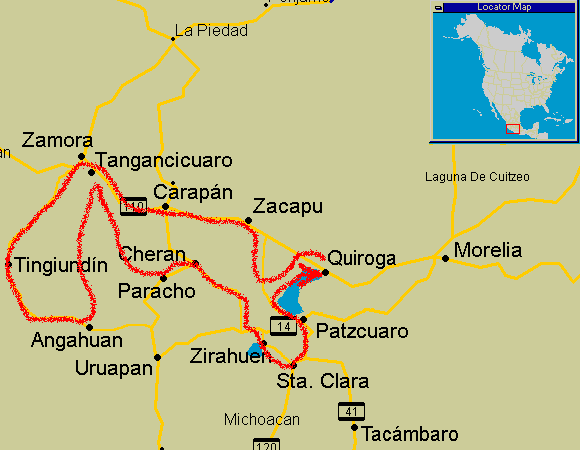
Itinerary
Itineraries were always subject to minor changes.
WhenWhereDistanceHighlights
Day 0Fly to Morelia, meet in Quiroga-small town, lake Pátzcuaro, baroque church
Day 1Quiroga to Erongaricuaro31 kmEasy start, quiet roads and small towns around the lake
Day 2Eronga to Zacapu40 kmquiet roads, great views
Day 3Zacapu-Rest day. Los Espinos crater lake. La Zarcita spring.
Day 4Zacapu to Zamora69 kmvalley of the 11 towns, Lago de Camecuaro, the unfinished cathedral
Day 5Zamora to Tingüindin48 kmsweeping views, Purepecha towns
Day 6Tingüindin to Angahuan59 kmagricultural area, fruit orchards, challenging climbing
Day 7Angahuan-Volcán de Paricutín
Day 8Angahuan to Cheran51 kmQuiet mountain roads, Paracho guitar capitol
Day 9Cheran to Santa Clara del Cobre58 kmVery quiet roads, great views, small towns and villages, small lakes-side resort, copper town
Day 10Santa Clara del Cobre-Rest day, copper town
Day 11Santa Clara to Tacámbaro43 kmmountain views, good downhill
Day 12Tacámbaro to Patzcuaro54 kmchallenging climb, view of lake Pátzcuaro
Day 13Patzcuaro to Quiroga (via Eronga)52 kmTocuaro masks, market day in Eronga, quiet lakeside roads
Day 14Quiroga-Fly back home or stay a while longer
What it cost that season
| Guides' Fee | + Accommodations | + Food & Drink | + Misc. | = Approx. Total Land Cost |
|---|---|---|---|---|
| $550 | $240 | $180 | $150 | $1,120 |
All figures in US dollars, as published at the time. Riders paid their own accommodation, food and entrance fees on the road — the Guides' Fee was the only charge from ¡El Tour. Full history: price of Day of the Dead Tour through the years.
Photo Album